Oral health issues creep up on many of us, especially as we age. You might notice your teeth looking a bit dull, or maybe bad breath lingers despite brushing. For older adults, these problems can feel frustrating, as aging can weaken enamel or lead to gum sensitivity. Poor oral health doesn’t just affect your smile—it can impact your confidence and even your overall wellness. Studies show that oral bacteria can contribute to issues like inflammation, which may affect other parts of your body. Ignoring these small signs can lead to bigger problems, like cavities or gum discomfort, that nobody wants to deal with.
The stakes are higher than you might think. Plaque buildup, stained teeth, or occasional bad breath are common, but they’re not just cosmetic concerns. Research indicates that poor oral hygiene can strain your immune system over time, especially for those over 50. With busy lives and processed foods, it’s easy to overlook the little habits that keep your mouth healthy. You’re not alone if you’ve ever wished for a simple, natural way to give your oral care a boost without harsh chemicals or expensive treatments.
What if you could try something natural, safe, and easy to support your oral health? In three steps, we’ll reveal how activated charcoal and lemon might become your new oral care allies. We’re counting down to the most unexpected benefit—one that could make you rethink your dental routine. First, let’s dive into why these ingredients are worth your attention. Stick around, because there’s a surprising fact waiting at the end that even natural health fans often miss.
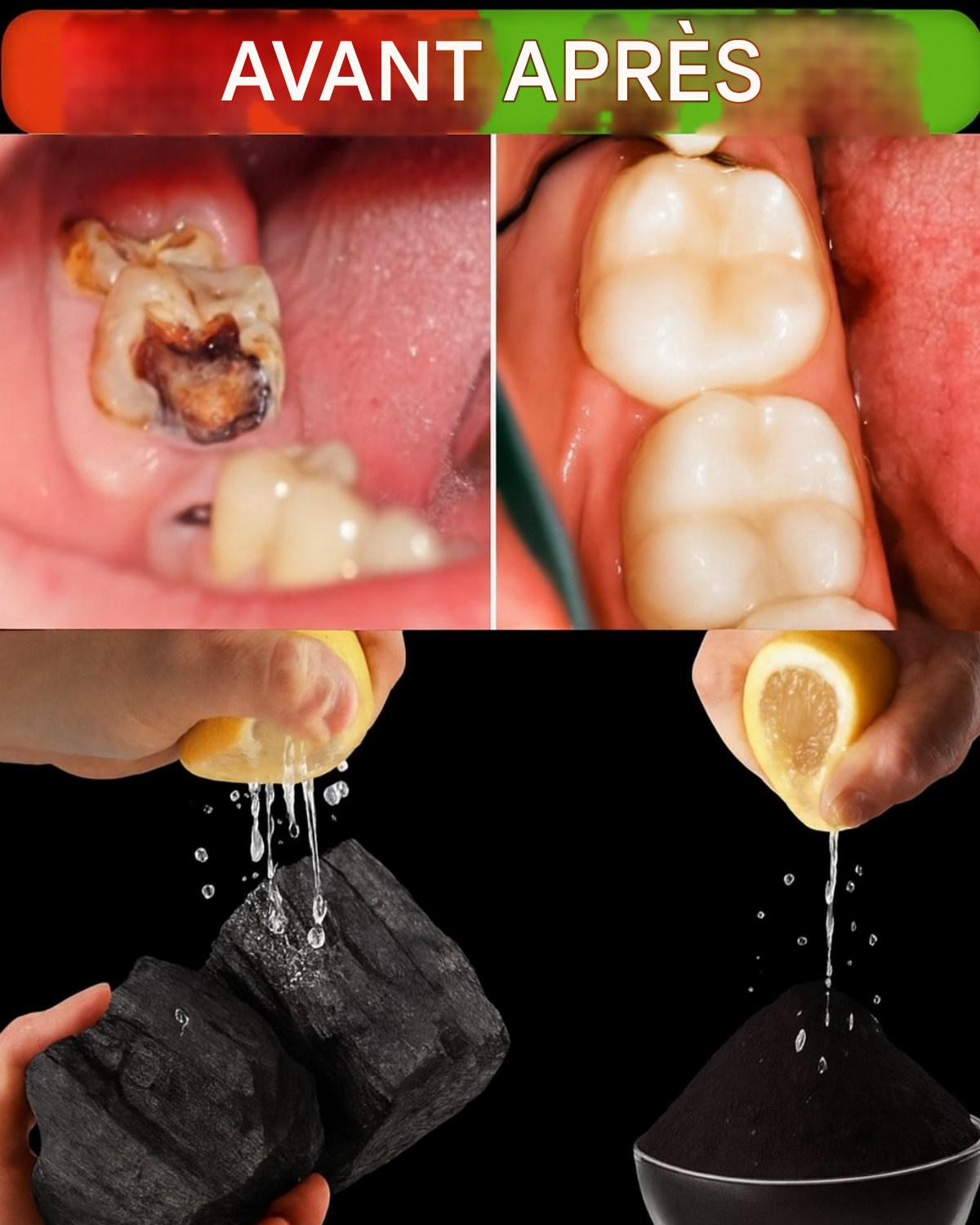
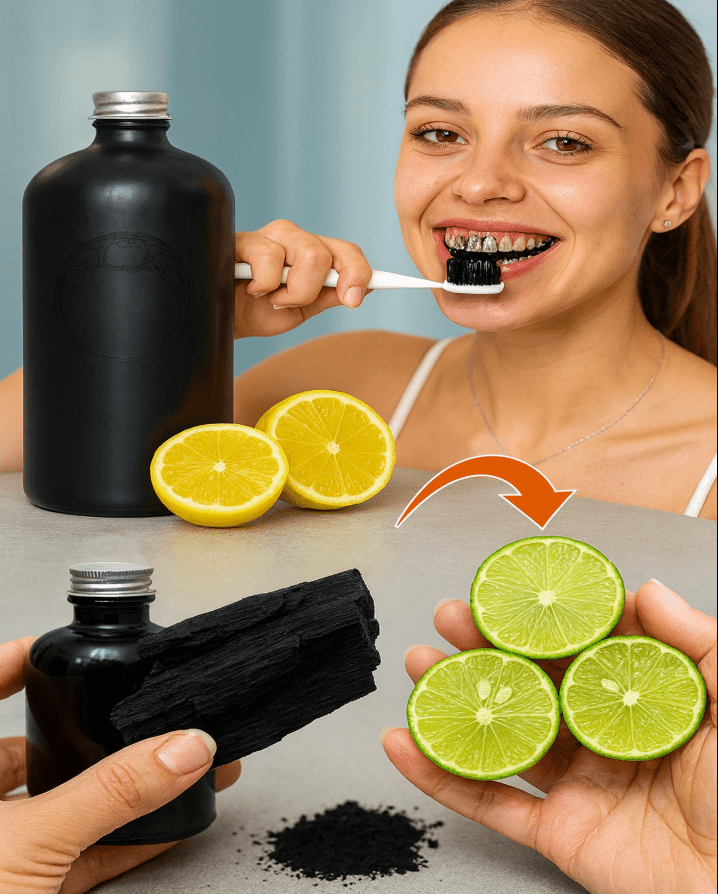
Activated charcoal is a fine, black powder made from materials like coconut shells, heated to become highly porous. Its sponge-like structure can trap toxins and stains, which is why some studies suggest it may help whiten teeth by removing surface stains. Lemon, with its natural acidity, contains citric acid that can gently break down plaque when used carefully. Together, they form a duo that’s been used in traditional remedies for oral care, from freshening breath to supporting cleaner teeth.
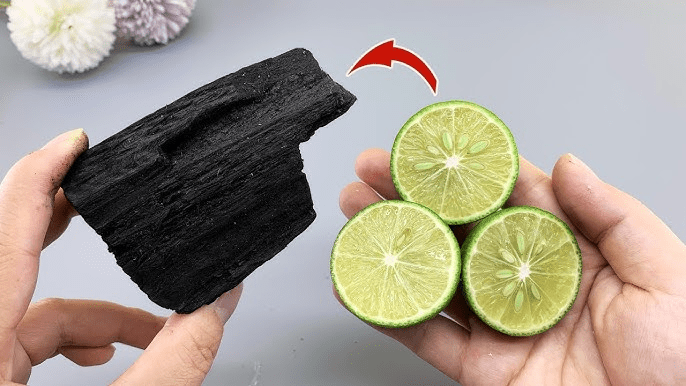
Here’s the first mini-hook: did you know might do more than just whiten? Some research suggests it can help reduce oral bacteria, potentially freshening your breath in a natural way. This doesn’t mean it’s a cure-all—always consult a healthcare professional before trying new remedies—but it’s a hint that this combo has hidden potential. Let’s keep going to see how you can use it safely.